

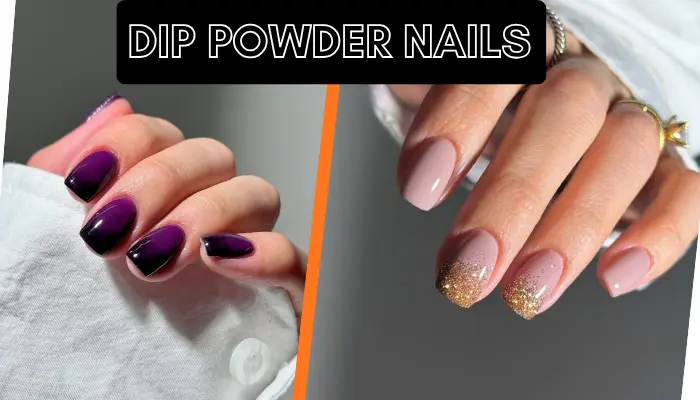
Modern nail beauty has evolved far beyond traditional nail polish. Today, people want manicures that look elegant, stay shiny for weeks, and resist daily wear without constant touch-ups. This growing demand has made dip powder nails one of the most popular manicure techniques in salons around the world. However, many people still ask the same question: what is dip powder nails, and how does it actually work?
Dip powder nails are a nail enhancement system that uses colored acrylic-based powder together with bonding liquids to create a durable and long-lasting manicure. Unlike regular nail polish, which simply dries on the surface, dip powder forms multiple hardened layers that strongly attach to the natural nail. This creates a manicure that is stronger than standard polish and often more resistant to chipping than gel polish.
The technique became widely popular because it combines beauty, strength, and convenience. Many users love the glossy finish, lightweight feel, and extended wear time. At the same time, understanding the process correctly is extremely important because improper application or removal can damage natural nails.
This guide explains everything in a detailed and accurate way. You will learn how dip powder nails are applied, the science behind the process, the benefits, the risks, proper aftercare, and the differences between dip nails, gel nails, and acrylic nails. Every section is written clearly so beginners can fully understand the topic without confusion.
What are dip powder nails?
To fully understand what is dip powder nails, it helps to know that this manicure system combines adhesive liquids with finely milled pigmented powder to create a hardened protective coating over the nails.
The powder used in dip manicures is usually made from a type of acrylic polymer. During the process, a bonding resin is applied to the nail first. The nail is then dipped into colored powder, or the powder is poured directly over the nail surface. Once the layers are built, an activator liquid triggers a chemical reaction that hardens the material into a durable shell.
After shaping and sealing with a top coat, the nails appear smooth, glossy, and professionally finished.
Many people confuse dip powder nails with acrylic nails because both use acrylic-based materials. However, traditional acrylic nails usually involve mixing liquid monomer with acrylic powder to create a sculpting paste. Dip powder systems work differently because they rely on resin adhesives and activators instead of creating a paste mixture.
This method allows dip powder nails to feel lighter and often look more natural while still providing impressive strength.
Read More: Simple 4th of July Nails You Can Wear Beyond the Fireworks
How Dip Powder Nails Are Applied
The application process is one of the most important parts of understanding what is dip powder nails because the quality of the manicure depends heavily on proper technique.
Step 1: Nail Cleaning and Preparation
The natural nails are first cleaned thoroughly to remove oils, dirt, and old polish. The nail technician shapes the nails and lightly buffs the surface to improve adhesion.
This preparation step is extremely important because oils or moisture can cause lifting later.
Step 2: Applying the Base Resin
A thin layer of bonding resin is brushed onto the nail. This liquid acts as an adhesive layer that helps the powder attach evenly.
The resin must be applied carefully because uneven application can create bumps or thick spots.
Step 3: Dipping Into Powder
The nail is dipped into colored powder at an angle, or the powder is sprinkled over the nail.
This process is usually repeated two or three times to build opacity and strength. Each layer increases the thickness and durability of the manicure.
Step 4: Applying the Activator
An activator liquid is brushed onto the powder layers. This chemical hardens the acrylic particles and creates the strong structure associated with dip nails.
Without the activator, the powder would remain soft and unstable.
Step 5: Buffing and Shaping
Once hardened, the nails are filed and buffed to smooth the surface and refine the shape.
A skilled nail technician keeps the manicure balanced and natural-looking rather than bulky.
Step 6: Finishing Top Coat
A protective top coat is applied to seal the manicure and create a glossy finish.
After this step, the nails are fully dry and ready immediately, which is one reason many people prefer dip powder over regular polish.
The Science Behind Dip Powder Nails
Many articles explain what is dip powder nails without discussing how the chemistry actually works. Understanding the science helps make the process much clearer and more accurate.
Dip powders are generally made from acrylic ester polymers, similar to materials used in acrylic nail systems. The bonding resin contains cyanoacrylate compounds, which are fast-acting adhesives. When the activator is applied, it speeds up polymer hardening and transforms the powder layers into a solid coating.
This hardened structure creates:
- Strong impact resistance
- Better chip protection
- Long-lasting wear
- Increased nail rigidity
The strength of dip powder nails comes from this polymer network, which forms directly on the natural nail surface.
Why Dip Powder Nails Became So Popular
Dip powder manicures became popular because they solve several common problems associated with traditional nail polish.
Regular polish often chips within days, especially for people who wash their hands frequently or perform manual work. Dip powder nails last significantly longer and maintain shine for weeks.
Another major reason for their popularity is convenience. Since dip powder hardens through chemical activation instead of air drying alone, users do not have to worry about smudging immediately after the appointment.
Many people also prefer the appearance of dip nails because they combine strength with a relatively natural look.
Social media and beauty trends also increased awareness of dip powder systems. Nail enthusiasts began sharing long-lasting manicures, creative color combinations, and glossy finishes, which helped drive demand worldwide.
Benefits of Dip Powder Nails
Understanding the advantages is essential when learning what is dip powder nails and why so many people choose this manicure system.
Exceptional Durability
Dip powder nails are highly resistant to chipping and cracking compared to regular polish.
For many users, the manicure remains intact for three to four weeks.
Strong Protective Coating
The hardened layers create a protective barrier that may help reduce breakage for weak natural nails.
Fast Drying
Unlike traditional nail polish, dip powder nails dry almost immediately after the top coat is completed.
This reduces accidental smudging.
Large Variety of Colors
Dip systems are available in hundreds of shades, including:
- Nude colors
- Glitter finishes
- Matte styles
- French manicure tones
- Seasonal shades
No UV Light Needed
Most dip powder systems cure through activator chemicals rather than ultraviolet lamps.
This makes them appealing to people who prefer avoiding UV exposure during nail appointments.
Potential Risks and Disadvantages
While dip powder nails offer many advantages, accurate information also requires discussing the possible downsides.
Nail Weakness From Overfiling
Excessive buffing before application can thin the natural nail plate.
Repeated aggressive filing may lead to sensitivity and brittleness.
Improper Removal Damage
One of the biggest causes of nail damage is peeling or forcing off dip powder.
This can remove layers of the natural nail and create long-term weakness.
Hygiene Concerns
Some salons use a shared powder dipping method between clients. If sanitation practices are poor, contamination risks may increase.
Many professional salons now use pouring techniques instead of direct communal dipping.
Chemical Exposure
The adhesives and activators contain strong chemicals that may irritate sensitive individuals.
Proper salon ventilation helps reduce exposure to fumes.
Dip Powder Nails vs Gel Nails
People often compare dip nails and gel manicures because both last longer than regular polish.
Strength
Dip powder nails are usually harder and more durable.
Gel nails tend to be slightly more flexible.
Finish
Gel manicures often appear thinner and shinier.
Dip nails usually provide a slightly thicker structure.
Removal
Both systems require soaking in acetone for safe removal.
However, dip powder may take longer to dissolve completely.
Application Process
Gel polish cures under UV or LED light.
Dip powder hardens through chemical activators instead.
Dip Powder Nails vs Acrylic Nails
Although both systems contain acrylic-related ingredients, they are not identical.
Traditional acrylic nails use liquid monomer mixed with powder to form a moldable bead.
Dip powder nails use pre-made powder combined with adhesive resin layers.
Acrylic nails are often preferred for dramatic length extensions and sculpted shapes, while dip powder is commonly chosen for natural overlays and long-lasting color.
Are Dip Powder Nails Safe for Natural Nails?
A properly applied and properly removed dip manicure is generally considered safe for most people.
The real issue is not always the dip system itself but poor technique.
Healthy nail practices include:
- Avoiding aggressive filing
- Using professional removal methods
- Moisturizing regularly
- Taking occasional manicure breaks
- Visiting hygienic salons
People with nail infections, damaged skin around the nails, or known chemical allergies should consult a professional before getting dip powder nails.
How Long Do Dip Powder Nails Last?
Dip powder nails usually last between three and four weeks before noticeable regrowth appears near the cuticle.
Longevity depends on several factors:
- Nail growth speed
- Hand washing frequency
- Daily work activities
- Product quality
- Application technique
Proper aftercare can significantly extend the life of the manicure.
Safe Removal Process for Dip Powder Nails
Correct removal is one of the most important parts of nail safety.
File the Top Layer
The shiny seal is gently filed away to allow acetone penetration.
Acetone Soaking
Cotton soaked with acetone is placed over the nails and wrapped with foil.
The nails soak for approximately fifteen to twenty minutes.
Gentle Product Removal
Once softened, the product is gently pushed away without force.
Moisture Restoration
Cuticle oil and moisturizer are applied afterward because acetone can dry the skin and nails.
Peeling or ripping off dip powder should never be done because it can remove layers of natural keratin from the nail plate.
How to Maintain Healthy Dip Powder Nails
Healthy nail care improves both appearance and nail strength.
Important maintenance habits include:
- Applying cuticle oil daily
- Wearing gloves during cleaning
- Avoiding harsh chemicals
- Keeping nails hydrated
- Avoiding nail biting
- Scheduling proper removal appointments
These simple habits help reduce breakage and dryness.
Who Should Choose Dip Powder Nails?
Dip powder nails are ideal for people who want:
- Long-lasting manicures
- Stronger nail reinforcement
- Reduced polish chipping
- Low-maintenance beauty routines
- Glossy salon-quality nails
They are especially popular among busy individuals who do not want frequent salon visits.
Conclusion
Understanding what dip powder nails are goes beyond simply knowing it is a beauty trend. Dip powder manicures are a carefully designed nail enhancement system that combines acrylic-based powder, bonding resin, and activator liquids to create durable and long-lasting nails.
Their popularity comes from their strength, glossy appearance, and ability to remain beautiful for weeks with minimal maintenance. Unlike traditional nail polish, dip powder creates a hardened protective layer that resists chipping and provides a professional finish.
However, accurate nail care knowledge is essential. Proper application, salon hygiene, and safe removal techniques play a major role in protecting natural nail health. When done correctly, dip powder nails can be a reliable and stylish manicure option for people who want durability without sacrificing appearance.
Whether you are exploring new nail treatments or simply researching modern manicure methods, understanding the full process helps you make safer and more informed beauty decisions.
Frequently Asked Questions
What are dip powder nails in simple terms?
Dip powder nails are a manicure system where nails are coated with adhesive and layered with colored acrylic-based powder to create a strong and long-lasting finish.
Are dip powder nails stronger than gel nails?
Yes, dip powder nails are generally harder and more resistant to chipping, although gel nails may feel more flexible.
How long do dip powder nails last?
Most dip powder manicures last around three to four weeks, depending on nail growth and maintenance.
Can dip powder nails damage natural nails?
Damage usually happens from improper filing or removal rather than the dip system itself.
Do dip powder nails require UV light?
No. Most dip powder systems harden using an activator chemical instead of UV curing.
Is dip powder safe for everyday use?
For most people, dip powder nails are safe when applied hygienically and removed correctly.