

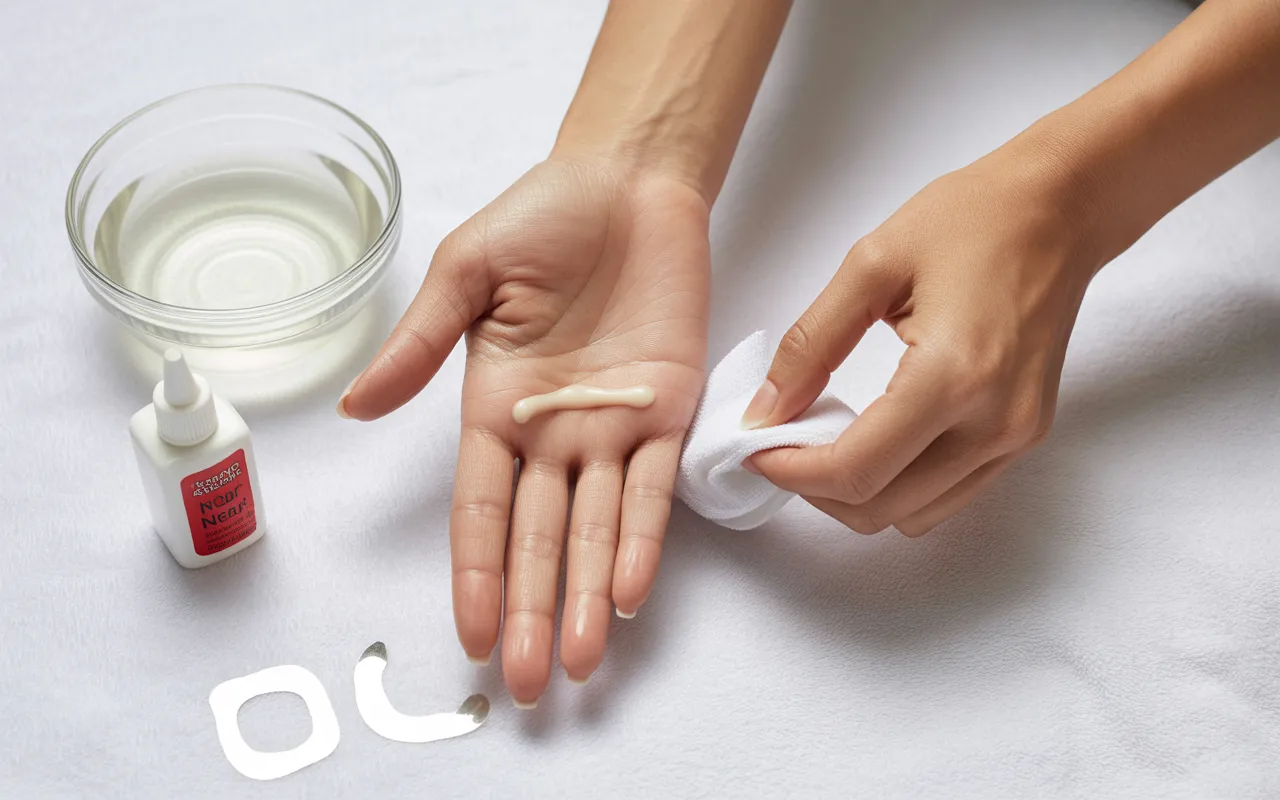
Getting nail glue on your skin can feel frustrating—especially when it dries quickly and refuses to budge. If you’ve ever accidentally glued your fingers together or ended up with sticky residue after applying press-on nails, you’re not alone. As someone familiar with nail care routines and adhesive products, I can tell you this is one of the most common at-home manicure issues.
The key is not to panic or force it off. Nail glue is designed to bond strongly, but your skin is delicate. Removing it the wrong way can cause irritation, peeling, or even minor injury. This expert-backed guide will walk you through how to get nail glue off skin safely, using practical, tested methods that protect your skin while effectively dissolving the adhesive.
Understanding Nail Glue and Why It Sticks
Most nail glues are made with cyanoacrylate, a fast-acting adhesive also used in medical and industrial settings. It reacts with moisture—like the natural oils and water on your skin—causing it to bond almost instantly.
That’s why:
- It dries in seconds
- It feels extremely strong
- It can stick skin together
Understanding this helps explain why gentle, chemical or moisture-based removal methods work best.
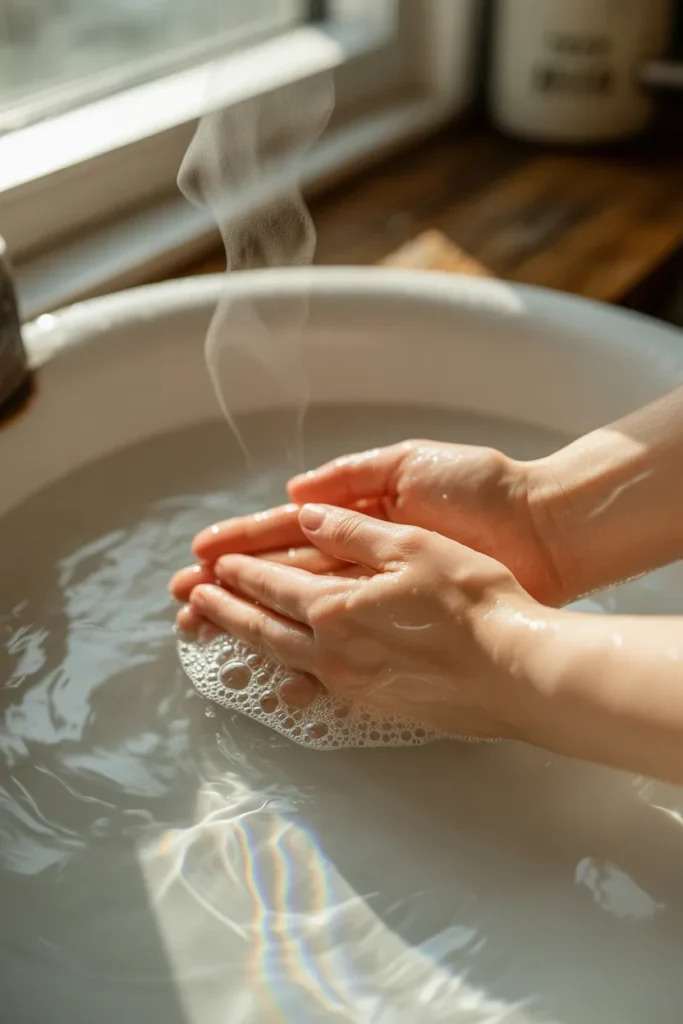
Method 1: Warm Soapy Water (Gentle and Skin-Safe)
When to Use This Method
This should always be your first approach, especially if:
- The glue coverage is small
- Your skin is sensitive
- The glue hasn’t fully hardened
What You Need
- A bowl of warm (not hot) water
- Mild liquid soap
- A soft towel or cloth
Step-by-Step Instructions
- Prepare the soaking solution
Fill a bowl with comfortably warm water and mix in a few drops of soap. - Soak the affected area for 10–20 minutes
Let your skin absorb moisture. This softens the glue naturally. - Gently massage the area
Use your fingers or a soft cloth to loosen the edges of the glue. - Repeat if needed
Some glue may take multiple soaking sessions to fully release.
Expert Insight
From experience, this method works best when you’re patient. Many people make the mistake of soaking for only a few minutes and then trying to peel the glue off. Giving it enough time allows the bond to weaken naturally.
Why It Works
Water hydrates the glue, while soap reduces surface tension, helping the adhesive lose its grip on your skin.
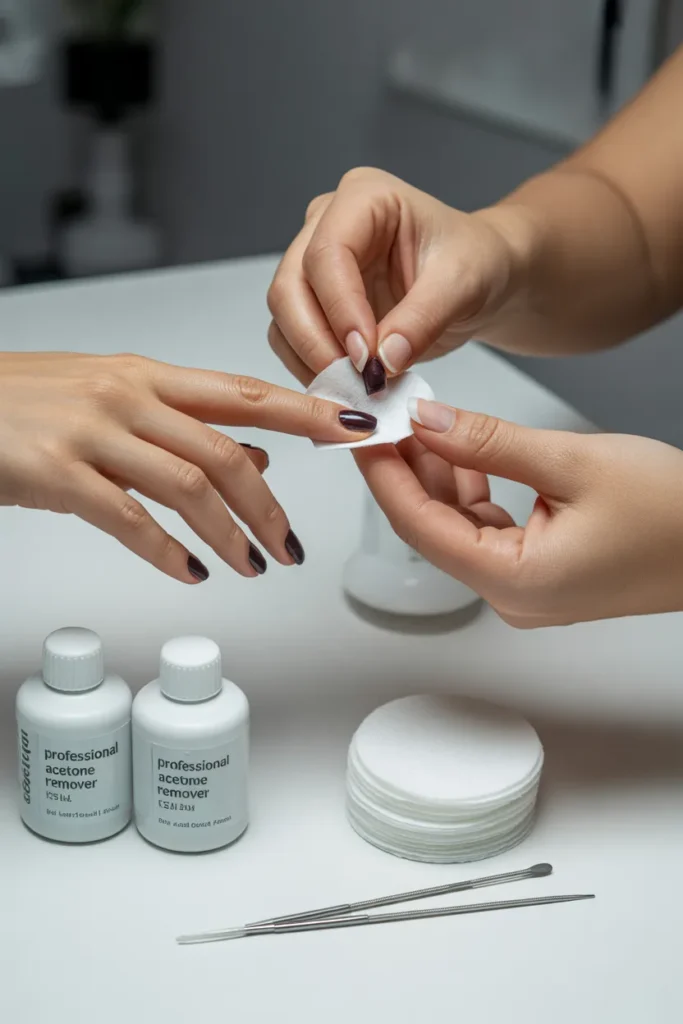
Method 2: Acetone (Professional-Level Removal)
When to Use This Method
Use acetone when:
- The glue is thick or fully dried
- Water soaking didn’t work
- You need faster results
What You Need
- Acetone or acetone-based nail polish remover
- Cotton pads
- Gentle moisturizer
Step-by-Step Instructions
- Soak a cotton pad with acetone
Ensure it’s saturated but not dripping. - Apply to the affected area
Hold it in place for 1–2 minutes. - Gently wipe the glue away
You should notice it dissolving or flaking off. - Repeat if necessary
For stubborn spots, reapply briefly. - Wash your skin thoroughly
Remove all acetone residue. - Moisturize immediately
Acetone can dry and irritate the skin.
Expert Insight
Acetone is widely used in salons because it’s highly effective. However, professionals always follow up with hydration to protect the skin barrier.
Safety Considerations
- Avoid using on broken or irritated skin
- Use in a ventilated space
- Limit exposure time
Why It Works
Acetone breaks down the chemical structure of cyanoacrylate, making it easy to remove.
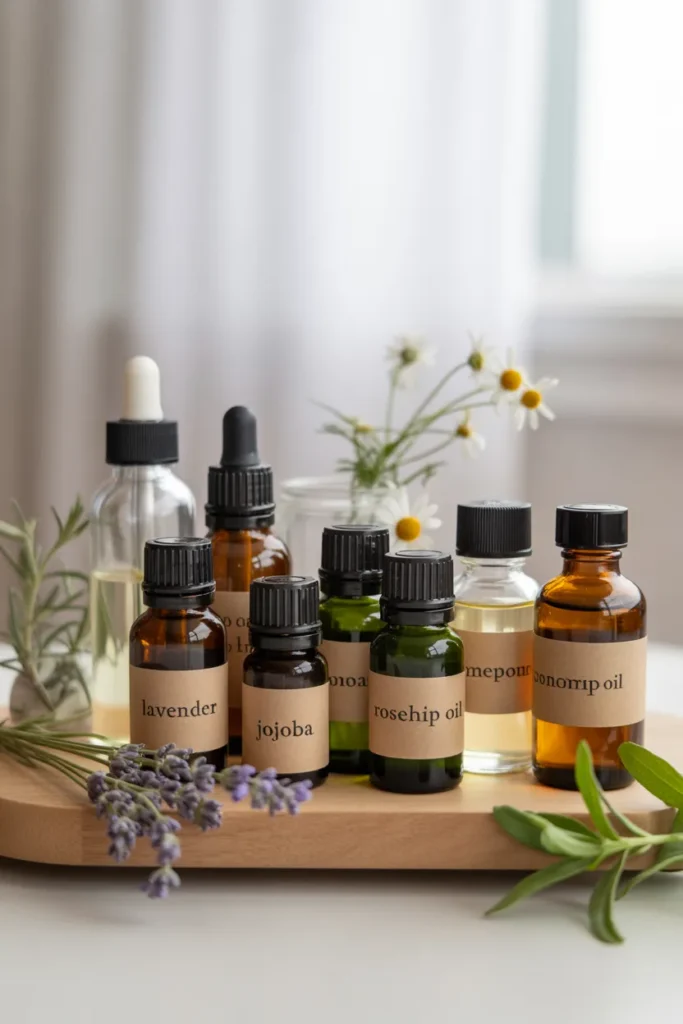
Method 3: Natural Oils (Gentle, Chemical-Free Option)
When to Use This Method
This method is ideal if:
- You prefer natural solutions
- Your skin is dry or sensitive
- You’re dealing with light glue residue
What You Need
- Coconut oil, olive oil, or baby oil
- Cotton pad or clean fingers
- Warm water
Step-by-Step Instructions
- Apply oil generously
Cover the glued area completely. - Let it sit for 5–10 minutes
This allows the oil to penetrate the adhesive. - Massage gently
Use circular motions to loosen the glue. - Wash with warm soapy water
Remove oil and glue residue. - Repeat if needed
Natural methods may take longer but are safer for skin.
Expert Insight
In real-world use, oils are especially helpful for removing leftover stickiness after using acetone or soaking methods.
Why It Works
Oils reduce friction and weaken the adhesive bond, allowing the glue to slide off more easily.
Common Mistakes to Avoid
Even with the right methods, mistakes can make the situation worse. Here’s what experts strongly advise against:
- Peeling or pulling glue off forcefully
This can remove layers of skin and cause pain - Using sharp tools
Knives or scissors can lead to cuts - Applying harsh chemicals
Products like bleach or industrial solvents are unsafe - Ignoring skin irritation
Redness or burning should never be ignored
Aftercare: Restoring Your Skin
Once you’ve removed the glue, your skin may feel dry or slightly sensitive. Proper aftercare is essential.
Recommended Steps:
- Apply a rich moisturizer or hand cream
- Use aloe vera gel for soothing
- Avoid reapplying glue immediately
- Keep the area clean and hydrated
Expert Tip
Hydration is often overlooked, but it’s crucial. Adhesives and removers both strip natural oils from your skin.
How to Prevent Nail Glue from Getting on Skin
Prevention is part of expert nail care. Here’s how professionals minimize accidents:
- Use small, controlled amounts of glue
- Apply nails in a stable, well-lit environment
- Keep cotton swabs nearby for quick corrections
- Avoid rushing the application process
A steady hand and patience make a big difference.
FAQs About How to Get Nail Glue Off Skin
1. What is the safest way to remove nail glue from skin?
The safest method is soaking in warm, soapy water. It’s gentle and effective for minor glue exposure.
2. Can nail glue damage my skin permanently?
In most cases, no. However, improper removal—like peeling or scraping—can cause temporary irritation or minor injury.
3. Is acetone safe for all skin types?
Acetone is safe when used properly, but it can be drying. People with sensitive skin should use it cautiously and always moisturize afterward.
4. How long does it take to remove nail glue?
It depends on the method:
- Warm water: 10–20 minutes or more
- Acetone: a few minutes
- Oils: gradual removal over multiple applications
5. Can I just wait for the glue to come off naturally?
Yes, nail glue will eventually wear off as your skin sheds. However, this can take 1–2 days and may feel uncomfortable.
6. What should I do if my skin feels burned after using acetone?
Wash the area immediately, apply a soothing product like aloe vera, and avoid further chemical use. Seek medical advice if irritation persists.
7. Are natural methods as effective as acetone?
Natural methods are safer but slower. Acetone remains the most effective option for strong adhesive removal.
Conclusion
Learning how to get nail glue off skin is an essential part of safe nail care—especially if you frequently use press-on nails or DIY manicures. The key is choosing the right method based on your situation and skin type.
- Warm soapy water is your safest starting point
- Acetone offers fast, professional-level results
- Natural oils provide a gentle, chemical-free alternative
From an expert perspective, the biggest takeaway is this: never rush the removal process. Patience and proper technique will always protect your skin better than force.
By following these proven methods and preventive tips, you can handle nail glue mishaps confidently—without damaging your skin or ruining your manicure experience.