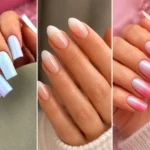


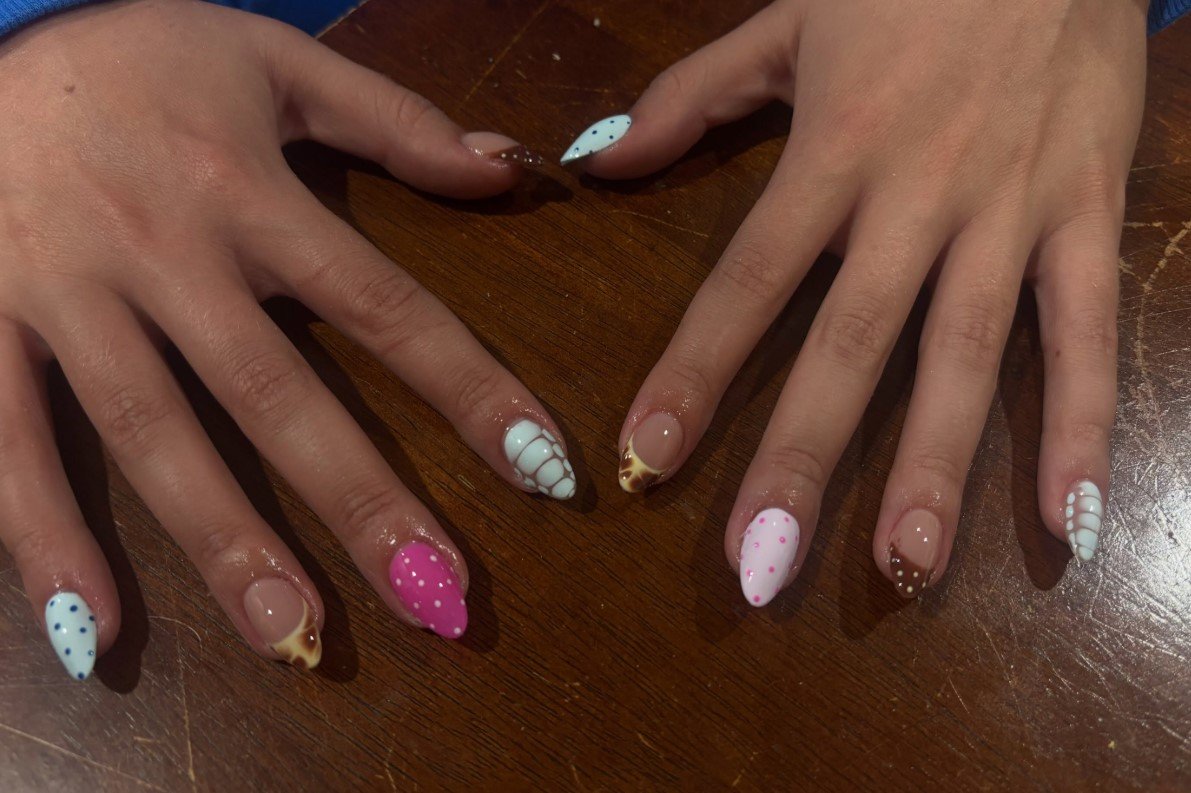
Late summer can make nail color decisions surprisingly difficult: bright shades still feel right, yet deeper autumn tones may seem too early. Almost fall nails create a useful middle ground with warm browns, softened berries, earthy neutrals, and muted colors that gradually shift the manicure toward cooler days. Early fall nail ideas can keep the finish fresh while adding seasonal warmth, while transitional manicure colors offer enough variety for simple, polished sets. Each shade below gives the seasonal change a different direction, helping you choose color based on depth, warmth, and how quickly you want your manicure to feel autumn-ready.
1. Caramel Nails
Caramel brings a mellow amber-brown tone that works especially well when you want warmth without strong contrast. Its golden base can brighten the manicure while still giving it a clear autumn connection. Creamy caramel shades suit simple solid-color sets because the color itself provides enough visual interest. Slightly darker caramel can also create a richer effect as temperatures drop, making it a flexible choice for the early weeks of fall.
2. Cinnamon Nails
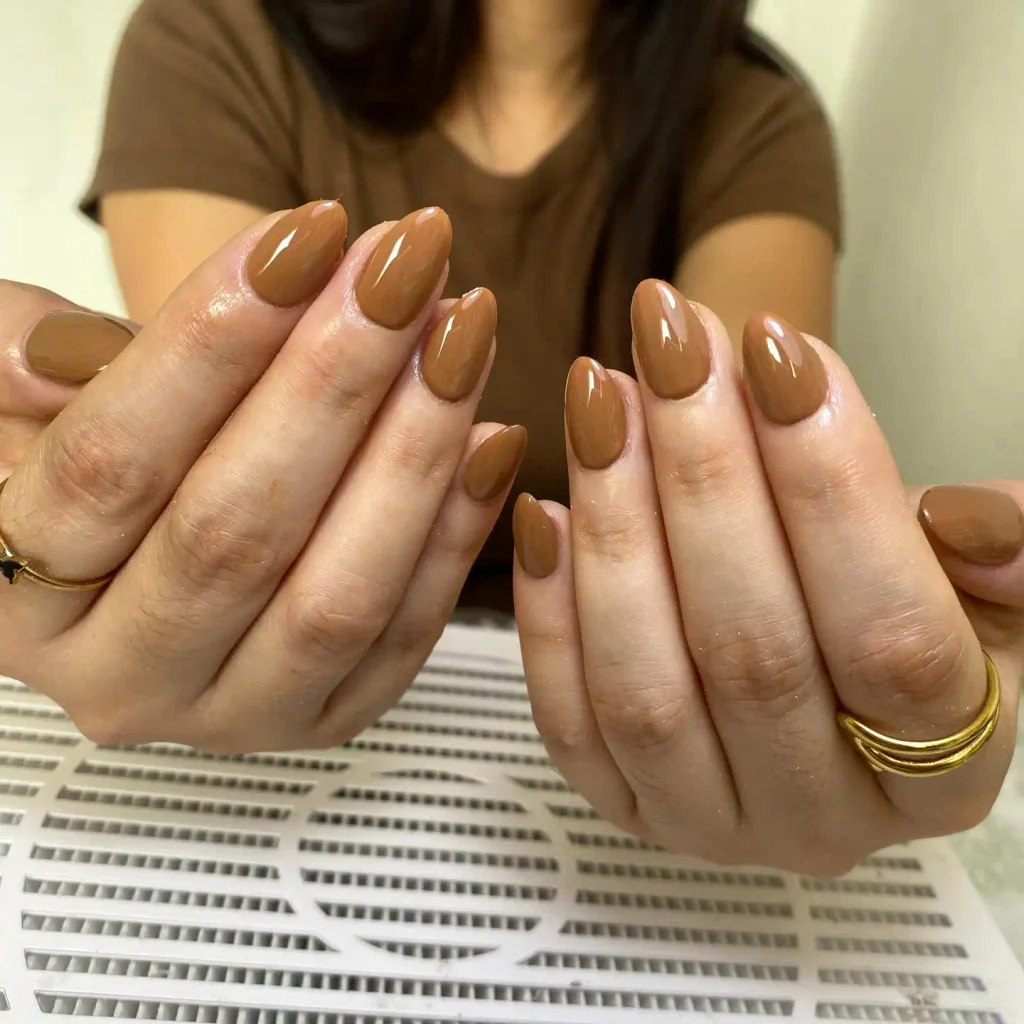
Cinnamon gives a reddish brown impression that feels warmer than ordinary nude shades. Its spicy undertone adds character without becoming as deep as traditional chocolate or burgundy colors. Warm cinnamon works nicely when you want your manicure to look seasonal but still light enough for late-summer outfits. Softer formulas keep the color approachable, while deeper cinnamon shades can create more definition when the weather begins to cool.
3. Toffee Nails
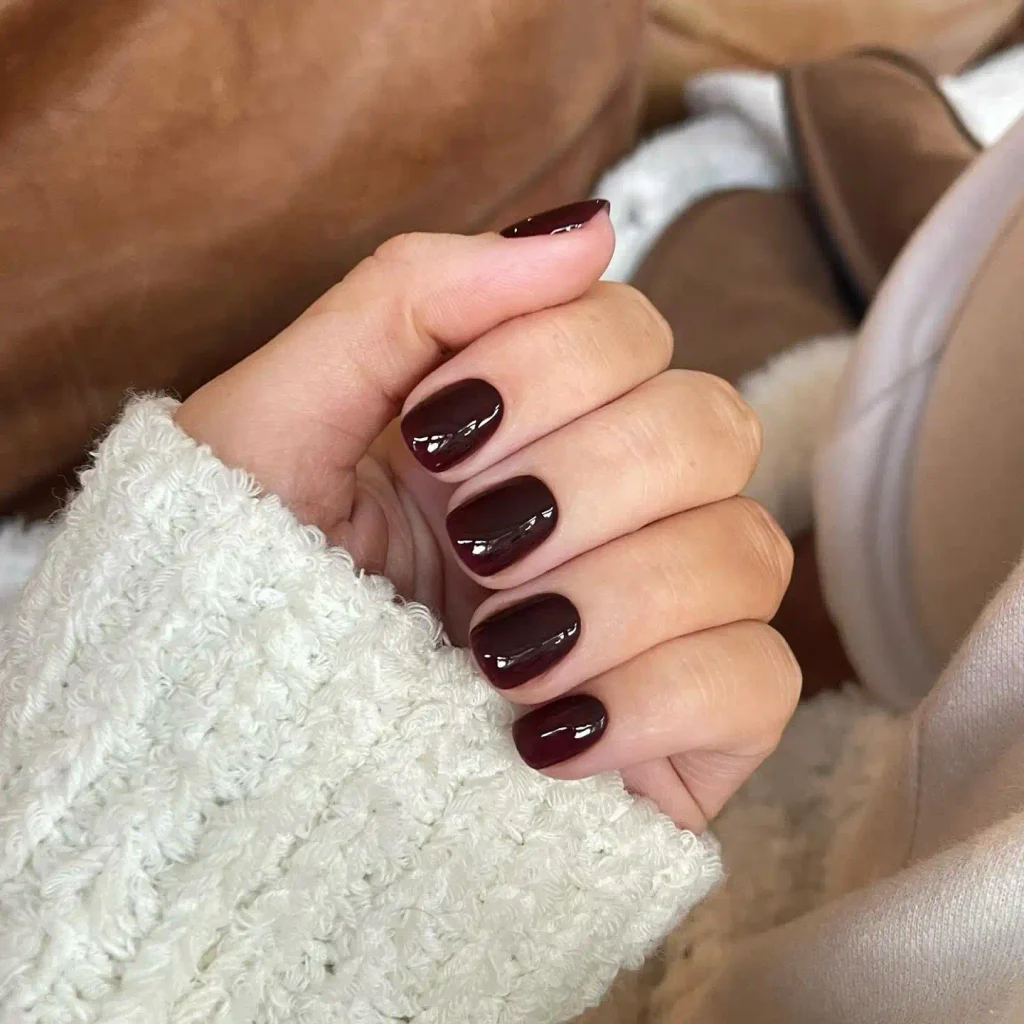
Toffee offers a creamy brown option with a soft golden quality that bridges summer neutrals and autumn colors. Its lighter depth keeps the manicure from feeling heavy, while its brown base adds enough warmth to signal a seasonal change. Toffee also works well with minimalist nail art because its balanced color supports small details without competing for attention. Choosing a slightly caramelized tone can make the manicure feel warmer without pushing it fully into fall.
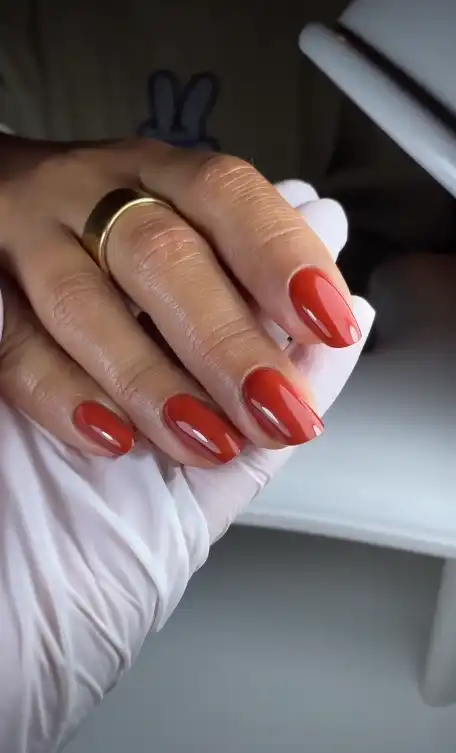
4. Chestnut Nails
Chestnut creates a balanced medium brown that gives nails more depth without looking extremely dark. Its earthy character makes it useful for a transitional manicure when you want noticeable seasonal color but still prefer a clean appearance. Rich chestnut shades can stand alone beautifully, while slightly softened versions feel gentler during the warmer part of September. Warm undertones also help chestnut avoid the flat appearance that some neutral browns can create.
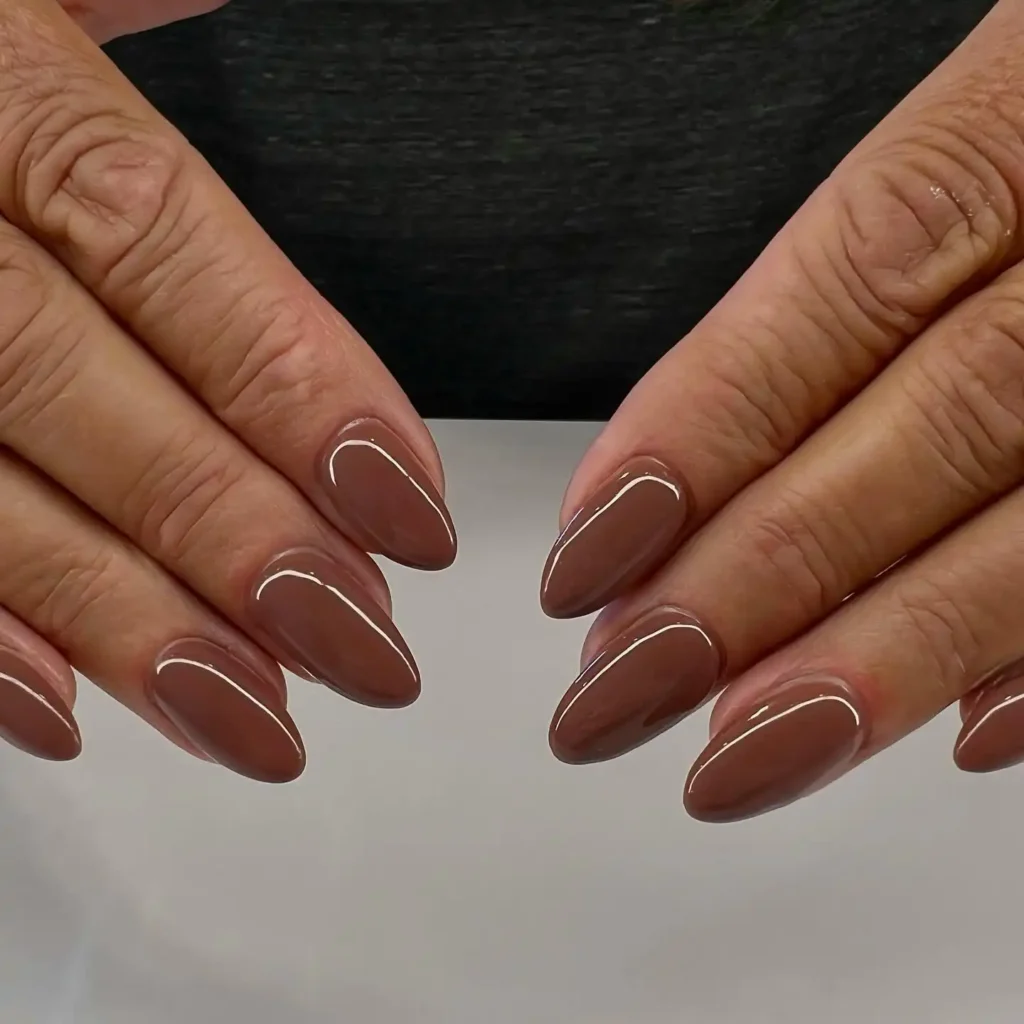
5. Latte Nails
Latte provides an easy bridge between pale summer neutrals and stronger autumn browns. Its creamy coffee-inspired tone adds warmth while preserving a light, relaxed appearance. Soft latte shades work especially well for minimal manicures because they create definition without demanding attention. Medium versions can add more seasonal depth as fall approaches. Choosing a balanced beige-brown rather than an overly gray formula keeps the manicure warm and connected to the changing season.
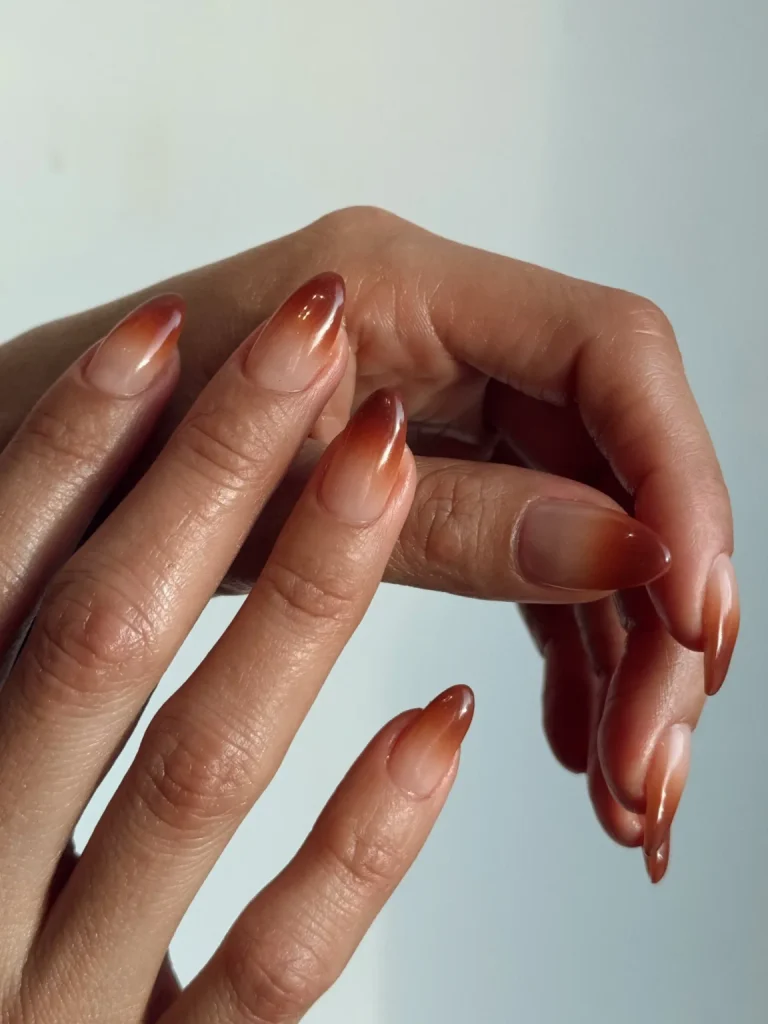
6. Hazelnut Nails
Hazelnut combines medium brown depth with a subtle golden quality, creating a shade that feels warm without becoming dramatic. Its balanced tone can add seasonal character while remaining suitable for everyday wear. Hazelnut works particularly well when you want something richer than nude but softer than chocolate brown. Slight differences in warmth can also change the effect, with golden versions feeling lighter and deeper brown versions giving the manicure a stronger autumn presence.
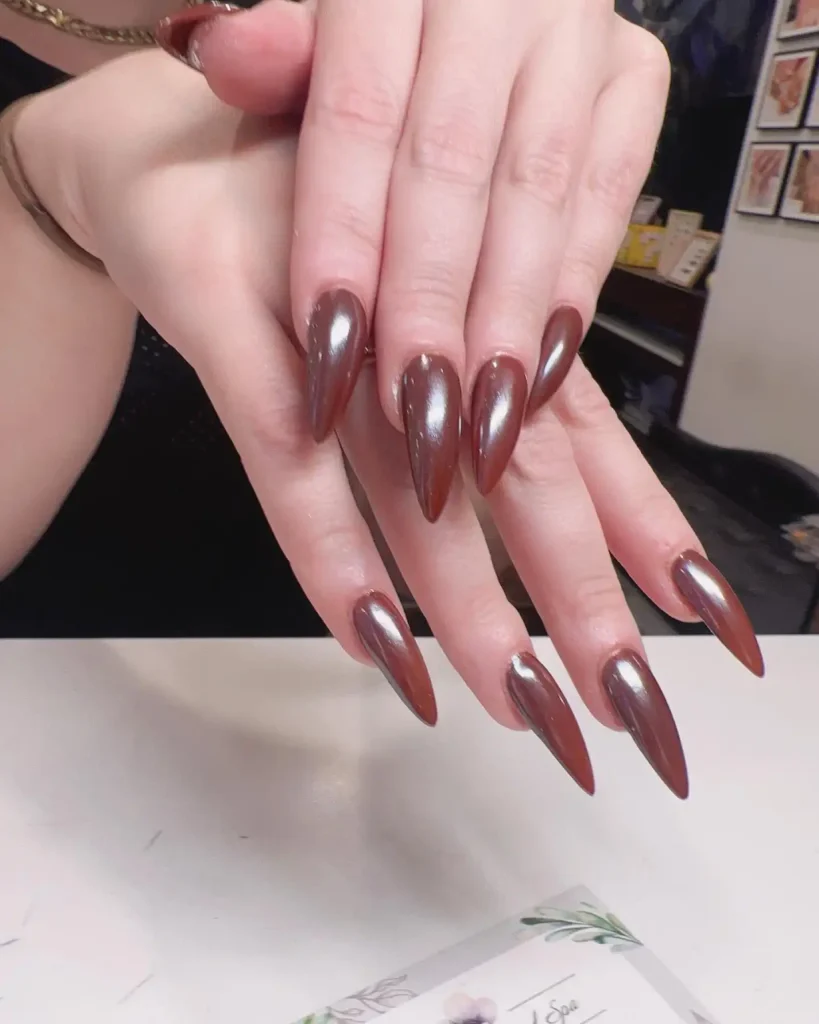
7. Maple Nails
Maple brings a warm brown direction that can make a manicure feel more connected to changing leaves without relying on obvious autumn artwork. Its earthy warmth gives the shade character while keeping the overall color approachable. Softer maple tones work well when summer still influences your wardrobe, whereas deeper versions create stronger seasonal definition. Balanced brown and golden undertones help the manicure transition naturally instead of making the seasonal change feel sudden.
8. Clay Nails
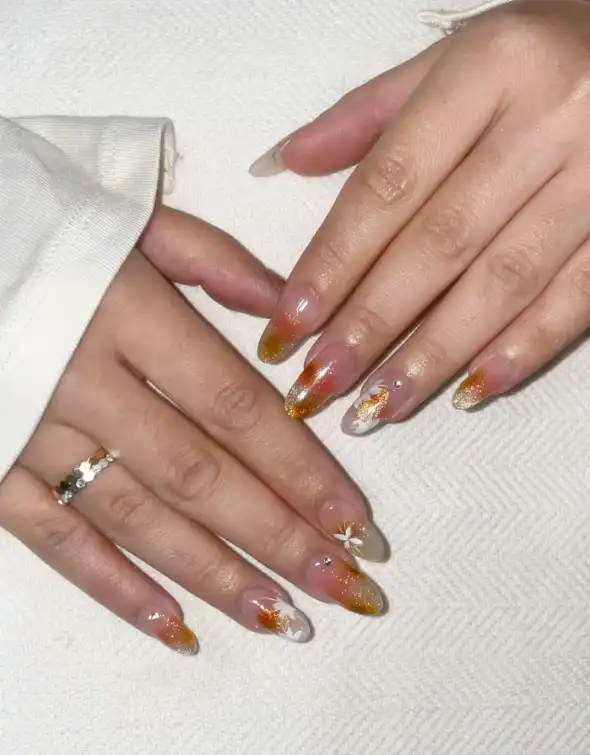
Clay offers an earthy option for anyone who prefers muted color instead of creamy neutrals. Soft terracotta-brown undertones give it warmth, while restrained saturation keeps the manicure calm and wearable. Clay shades can add personality without relying on decorative patterns or seasonal artwork. Matte finishes emphasize the dry, grounded character of the color, while smooth finishes make it feel more polished. Muted clay works well during the uncertain weeks between summer and fall.
9. Sandstone Nails
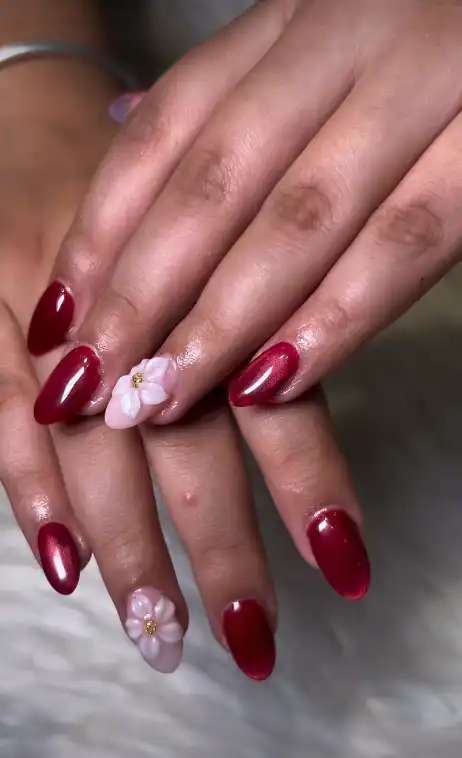
Sandstone gives a beige base a slightly earthy direction, making it more interesting than a basic pale nude. Warm undertones add definition while keeping the manicure light enough for transitional weather. Soft sandstone shades can suit minimal styling because they provide subtle color without looking stark. Creamier versions feel gentle and fresh, while deeper beige formulas offer more contrast. Balanced pigmentation helps the shade remain visible without losing its understated character.
10. Warm Nude Nails
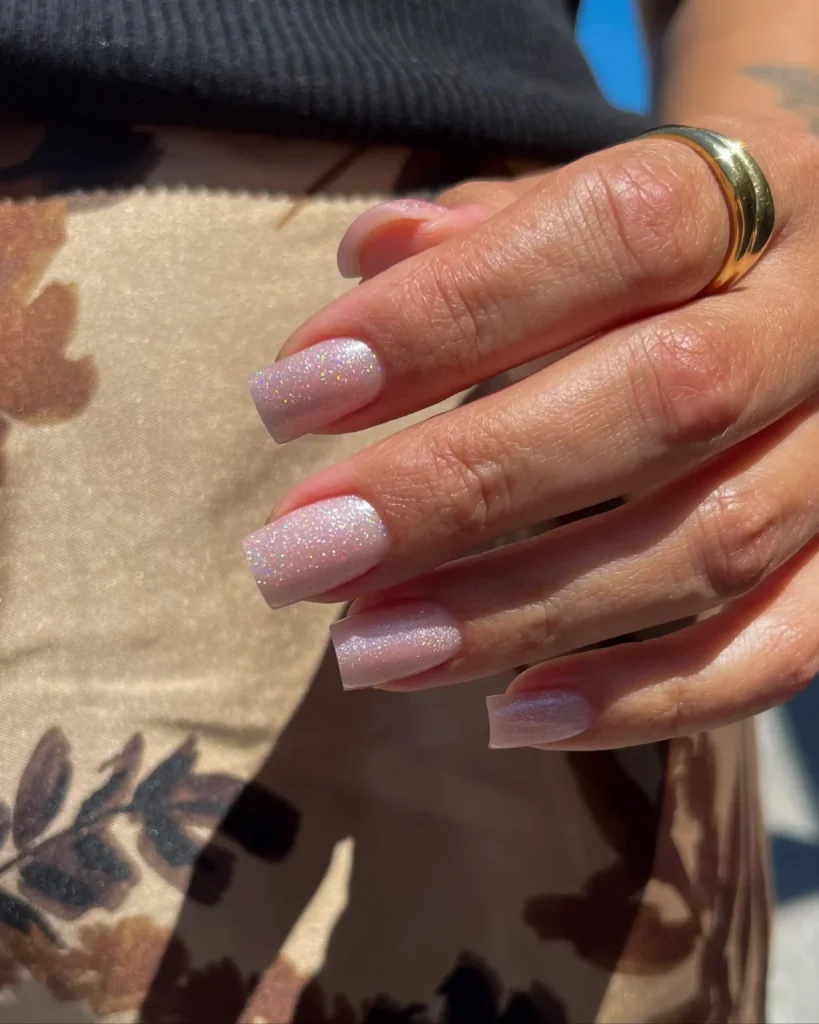
Warm nude shades bring natural-looking color into the seasonal transition without creating a dramatic change. Golden or peachy undertones can make a nude manicure feel softer and warmer than cooler beige formulas. Such shades work well when you want something understated for daily wear but still want a connection to early fall colors. Creamy finishes can keep the look fresh, while slightly richer nude tones provide enough depth to avoid appearing washed out.
11. Muted Plum Nails
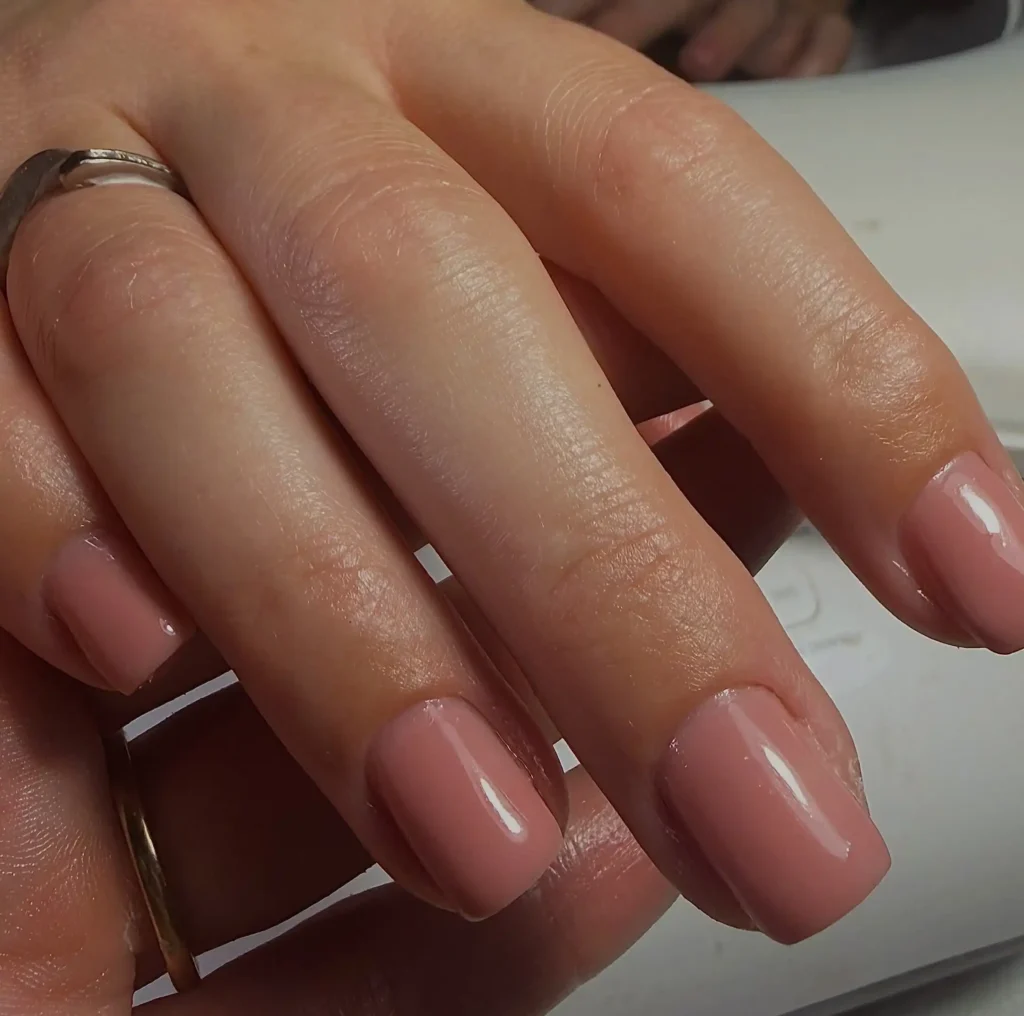
Muted plum introduces a softened purple tone that adds depth without the intensity of a vivid berry shade. Its cool-to-warm balance can make the manicure feel more seasonal while still remaining refined. Plum works well for transitional styling because it sits between soft pinks and deeper autumn reds. Dustier formulas create a quieter effect, while richer versions make the color more noticeable. Choosing moderate saturation keeps the shade wearable before full fall arrives.
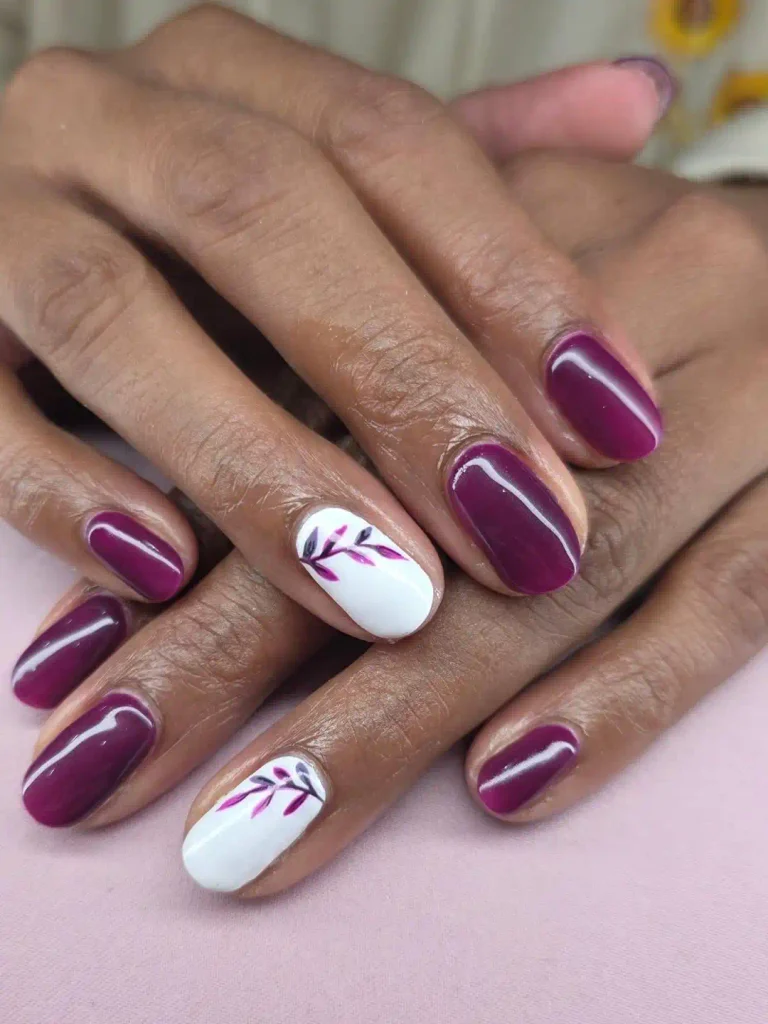
12. Dusty Mauve Nails
Dusty mauve blends muted pink and purple into a soft shade with enough depth for early autumn. Its subdued quality makes it useful when bright summer pinks feel too playful but dark fall colors seem too strong. Mauve can also complement neutral wardrobes without becoming visually dominant. Cooler versions create a delicate effect, while warmer versions lean more naturally toward fall. Balanced pigmentation keeps the manicure polished without requiring additional decoration.
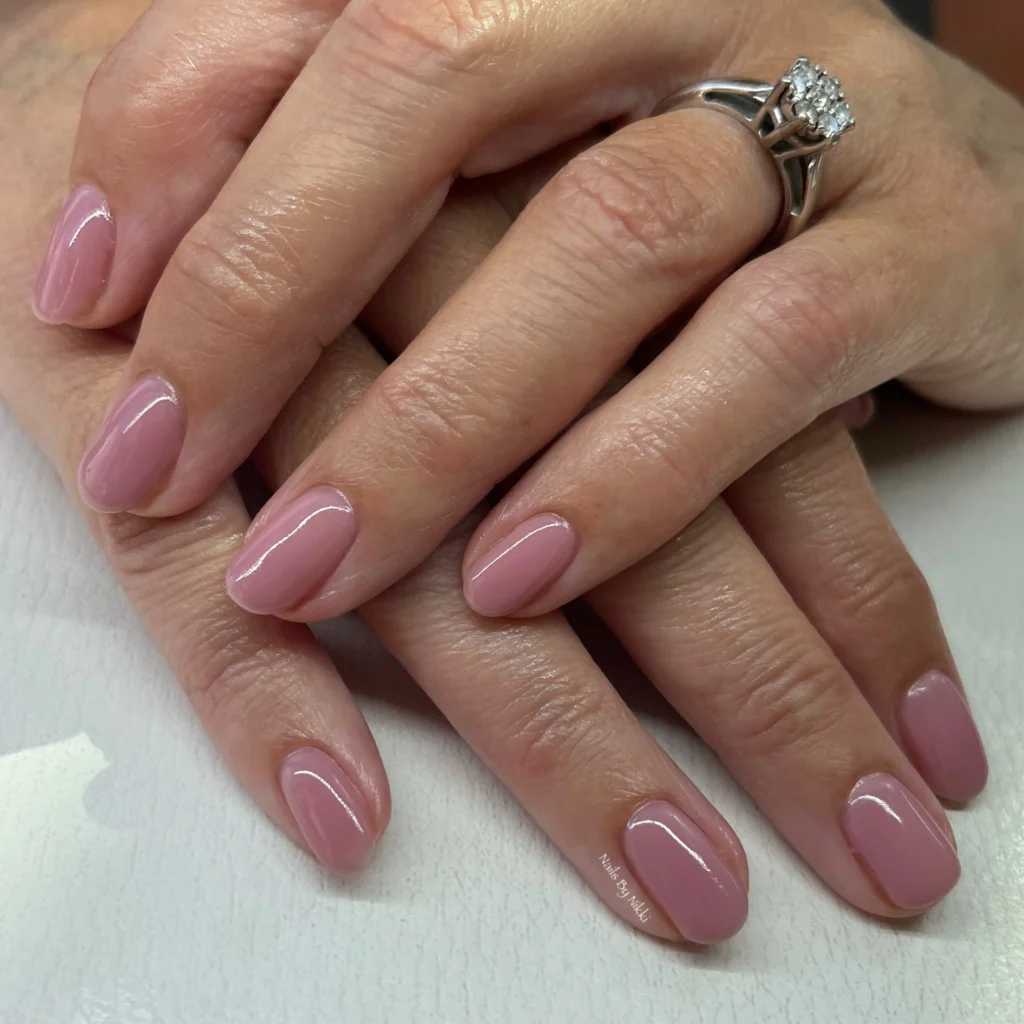
13. Soft Terracotta Nails
Soft terracotta adds muted orange warmth without the brightness of a classic pumpkin shade. Brown undertones help control the color, giving it a grounded quality that suits the transition into cooler weather. Terracotta works well when you want a clearly seasonal tone but still need something comfortable for late-summer days. Softer versions feel understated, while warmer formulas create more visual energy. Its earthy base also makes it easy to pair with neutral nail designs.
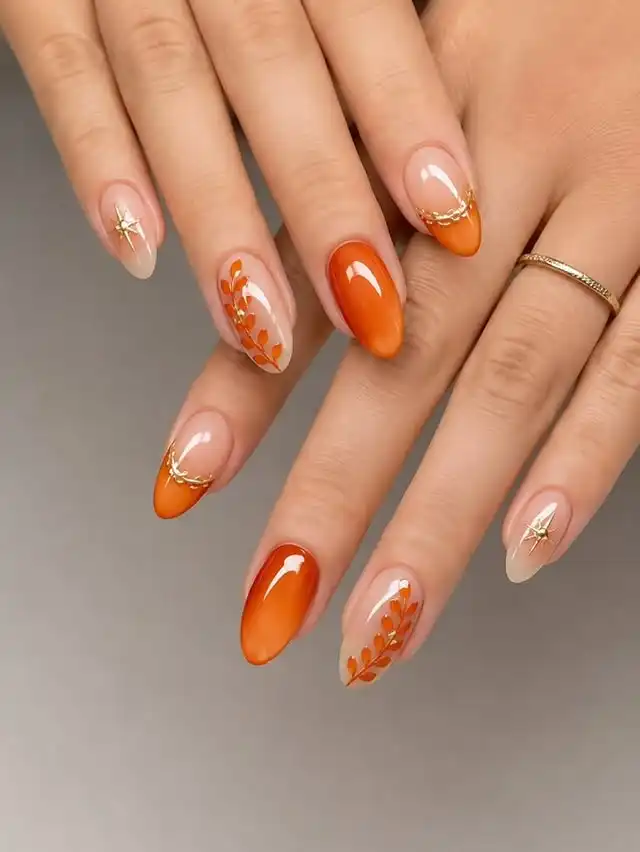
14. Muted Sage Nails
Muted sage brings a gentle green option into the early fall color palette. Dusty undertones reduce the brightness, allowing the shade to feel calm rather than strongly summery. Sage can create useful variety when most transitional manicures rely on browns, beige, or red. Gray-green versions feel especially subtle, while warmer sage shades can create a more earthy impression. Keeping the color muted helps maintain a polished appearance while adding a distinct change from traditional neutrals.
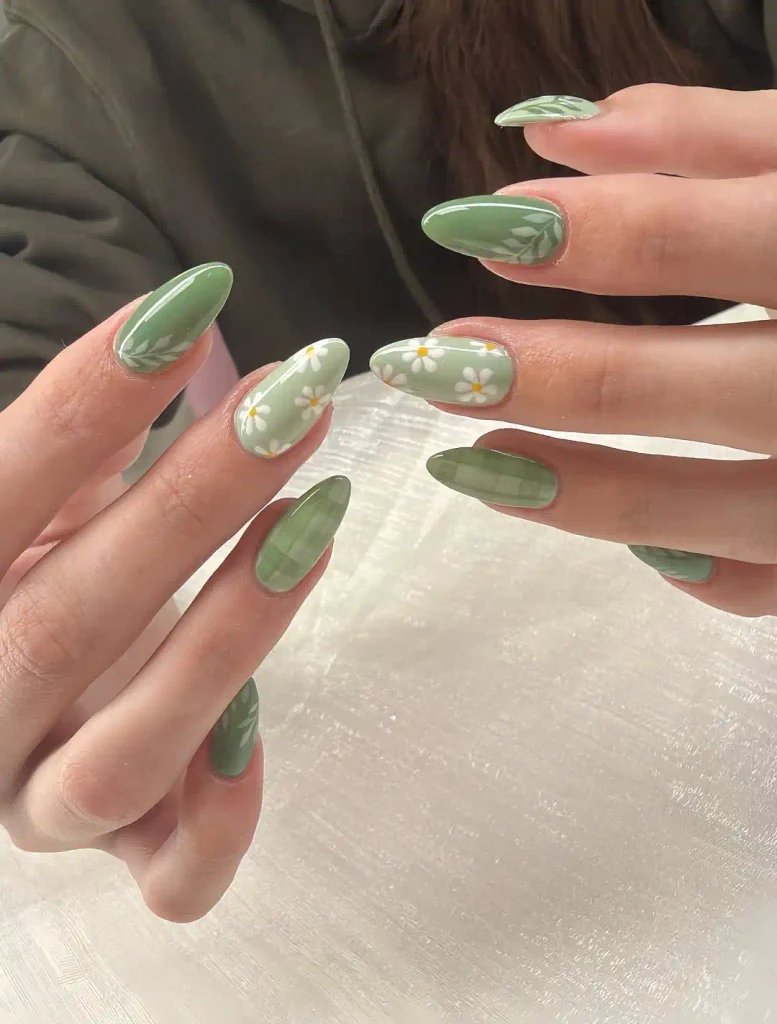
15. Warm Taupe Nails
Warm taupe sits between beige, brown, and gray, giving it a flexible place in a transitional manicure. Its earthy warmth prevents the shade from feeling too cool, while moderate depth keeps it visually clean. Taupe works well when you prefer understated colors that still look intentional and seasonal. Creamier formulas can soften the appearance, whereas deeper taupes add definition. Balanced undertones make this shade useful for simple sets that need subtle sophistication.
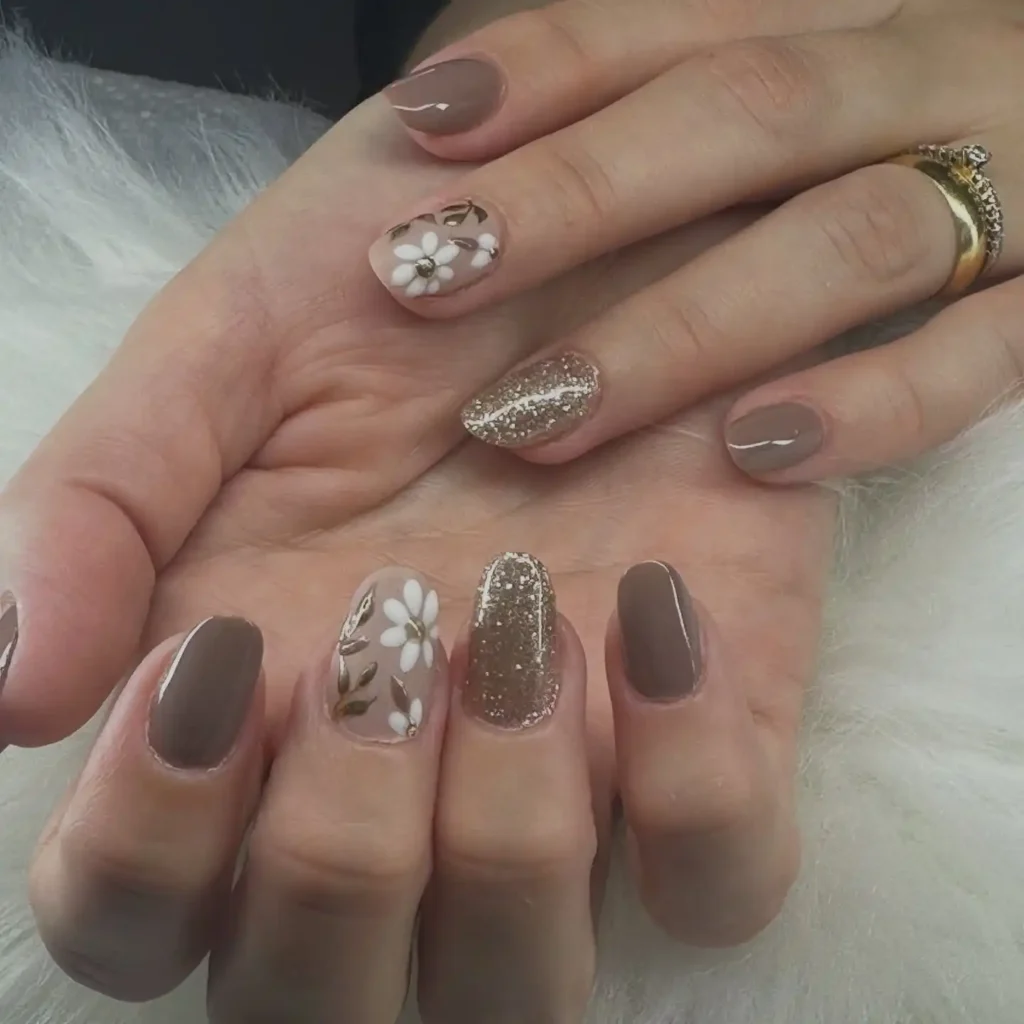
16. Cocoa Nails
Cocoa creates deeper contrast for anyone ready to move beyond lighter transitional colors. Its rich brown base can make the manicure feel distinctly autumnal while avoiding the red or purple direction of other seasonal shades. Cocoa works best when you want the color itself to become the main feature. Warm undertones can keep deep brown from looking harsh, while a smooth finish can emphasize its dense, even appearance.
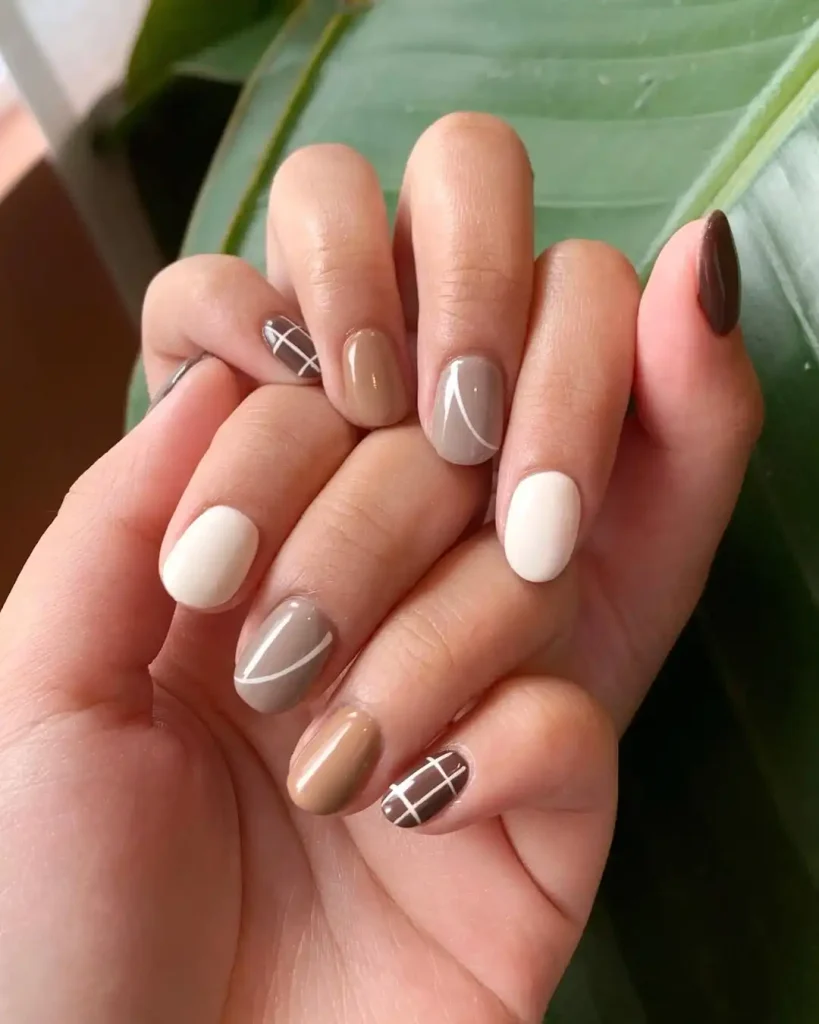
17. Honey Beige Nails
Honey beige combines light beige with a gentle golden undertone, giving the manicure warmth without much visual weight. Its soft color can brighten the nails while still feeling more seasonal than a cool cream. Honey beige works well for understated manicures because it offers a little warmth without requiring patterns or contrast. Golden undertones become especially useful when summer whites start feeling too stark, creating a smoother transition toward richer autumn colors.
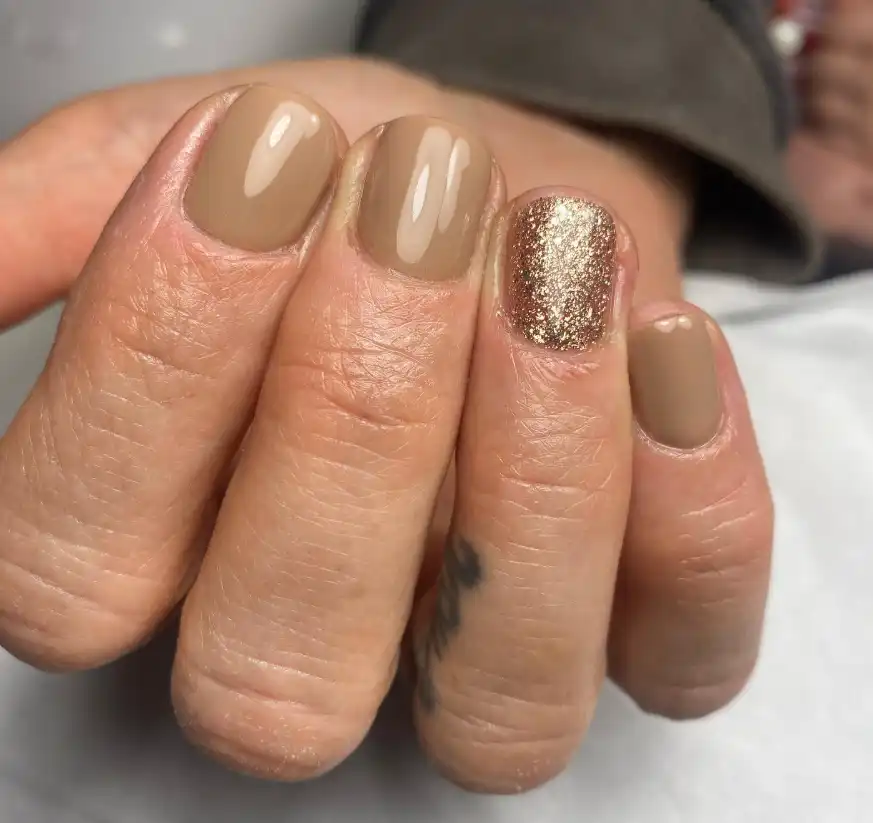
18. Almond Nails
Almond provides a soft beige-brown tone that sits comfortably between nude and warmer brown shades. Its natural-looking depth makes it useful when you want subtle color with more definition than pale beige. Almond can work across different manicure styles because its neutral character does not overpower simple details. Warmer versions create a cozy effect, while lighter versions maintain a fresh appearance. Balanced pigmentation helps the shade transition smoothly from summer into early fall.
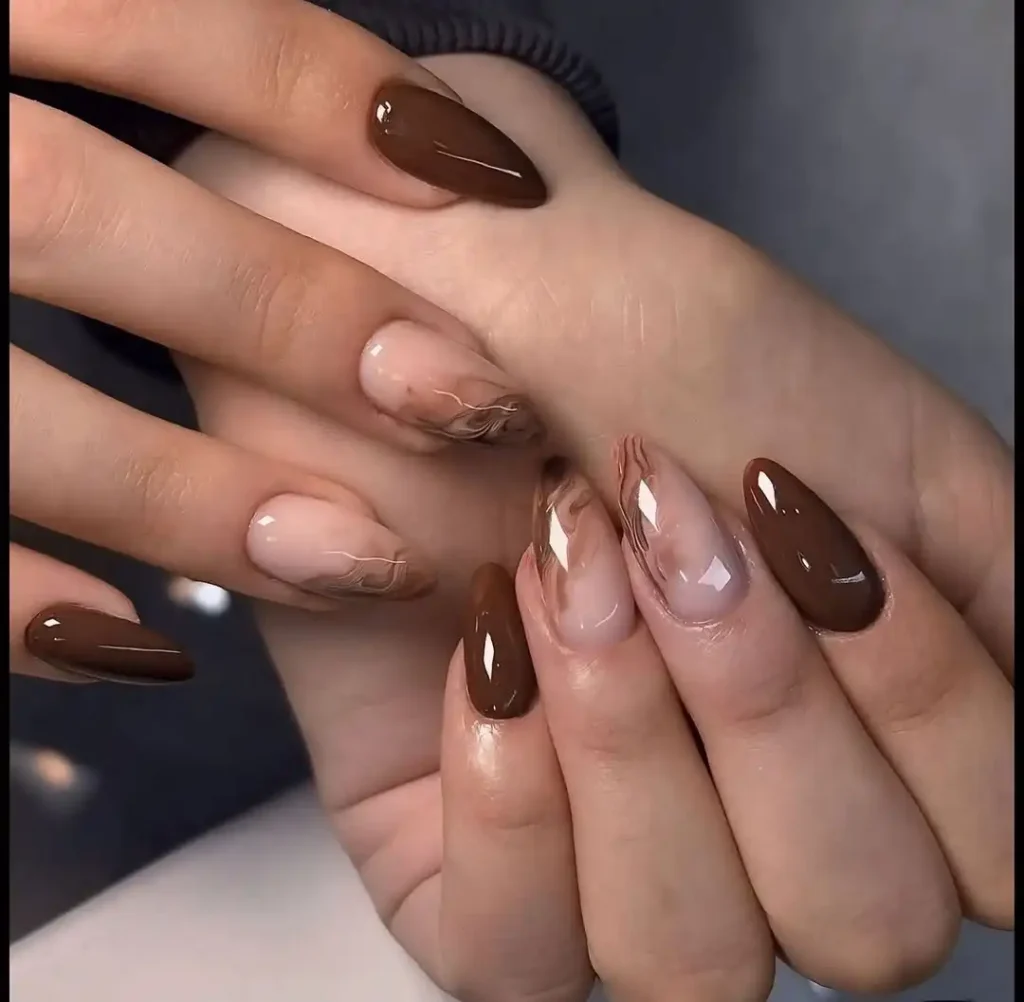
19. Nutmeg Nails
Nutmeg offers a warm brown shade with a slightly spiced character, giving a manicure more personality than basic beige. Its medium depth makes it noticeable without reaching the intensity of dark chocolate colors. Nutmeg works well for transitional sets because it carries autumn warmth while remaining softer than many traditional fall shades. Golden or reddish undertones can shift the mood, allowing you to choose a version that feels either gentle or more defined.
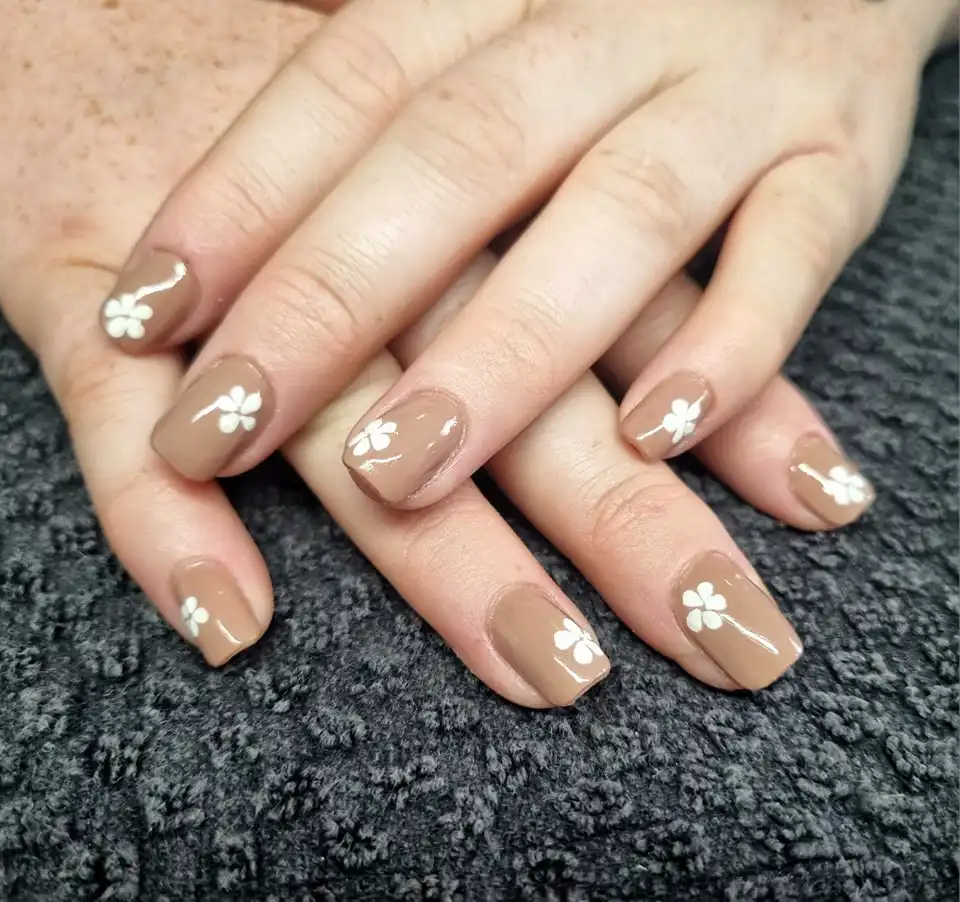
20. Muted Rust Nails
Muted rust brings reddish-orange warmth into the manicure while keeping saturation controlled. Its earthy character feels seasonal without becoming as bright as orange or as deep as burgundy. Rust works especially well when you want a noticeable fall direction but still need a shade that feels appropriate during the transition period. Softer formulas create a restrained effect, while deeper rust can provide stronger contrast. Brown undertones help keep the color grounded and wearable.
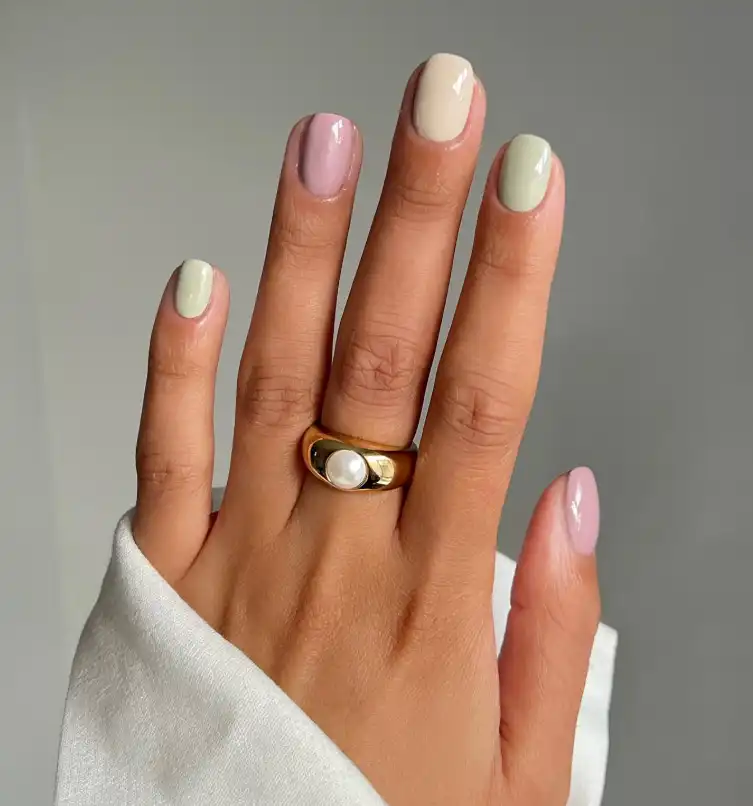
21. Soft Burgundy Nails
Soft burgundy introduces deep red color with a gentler intensity than a fully saturated wine shade. Its richness can make a transitional manicure feel more mature without relying on decorative details. Burgundy works well when lighter browns no longer feel satisfying but very dark colors seem premature. Softer red undertones keep the shade approachable, while deeper versions create more drama. A balanced finish can also help preserve the smooth, refined character of the color.
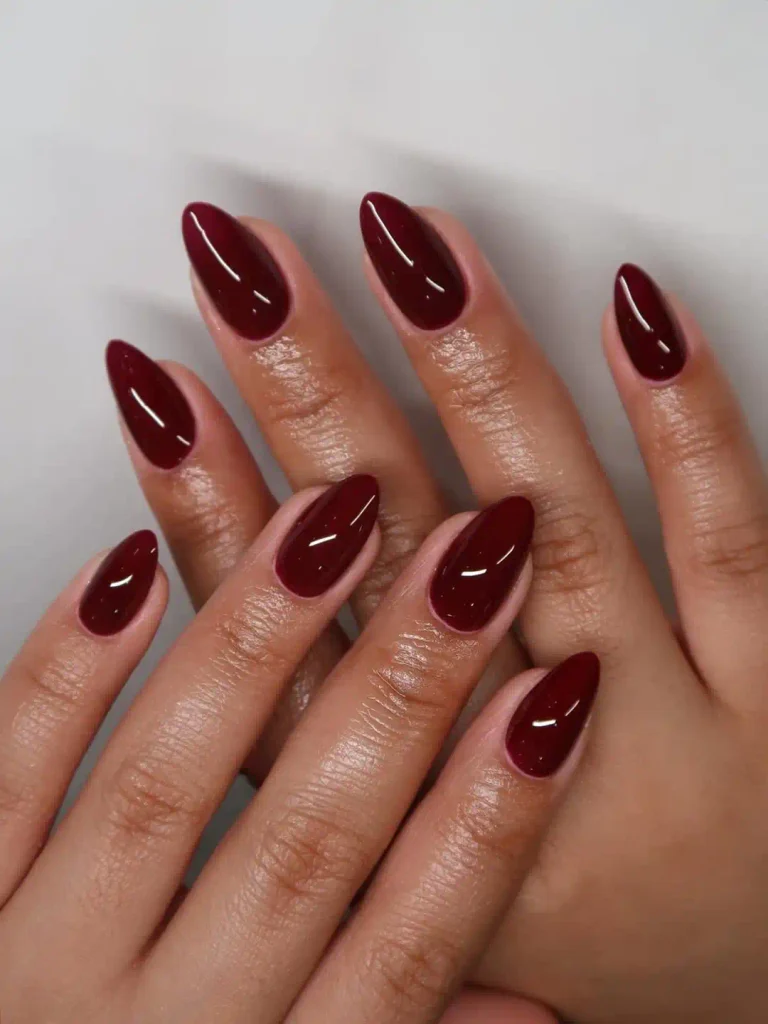
22. Toasted Beige Nails
Toasted beige adds warmth to a familiar neutral through subtle brown and golden undertones. Its depth sits comfortably between pale nude and richer coffee shades, making it useful for the weeks when seasons overlap. Toasted beige can keep a simple manicure looking intentional without adding decorative elements. Warmer formulas create a cozy impression, while lighter versions stay closer to summer neutrals. Moderate pigmentation helps maintain clarity and prevents the color from appearing too heavy.
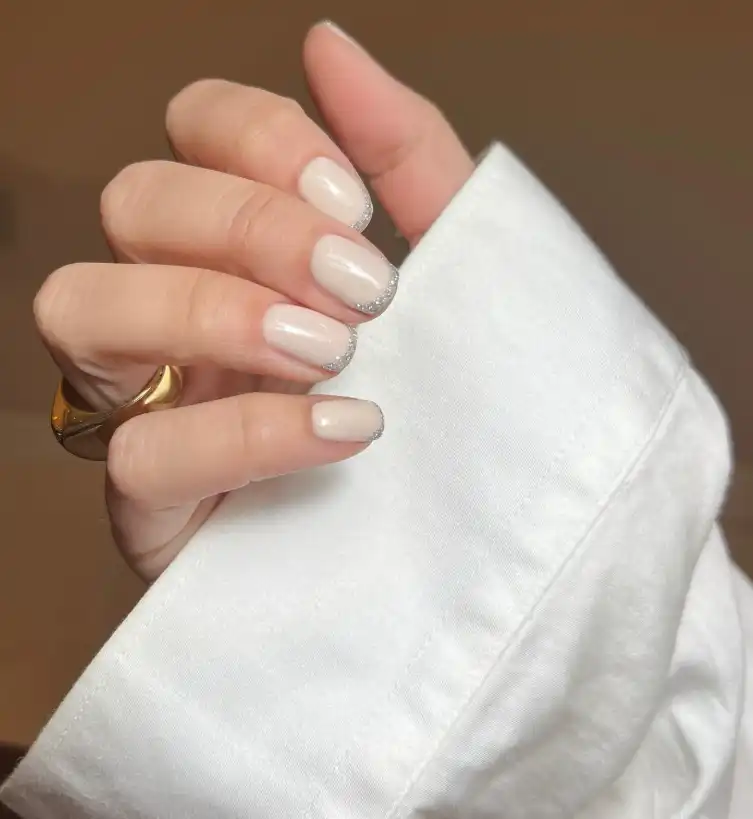
23. Warm Blush Nails
Warm blush gives pink a softer autumn direction through subtle peach or golden undertones. Its gentle color works well when you still enjoy pink but want to move away from cooler, brighter summer shades. Warm blush can add freshness while maintaining enough warmth to suit early fall styling. Creamy formulas keep the appearance delicate, whereas slightly deeper versions provide more definition. Muted saturation helps the manicure feel seasonal without becoming overly dramatic.
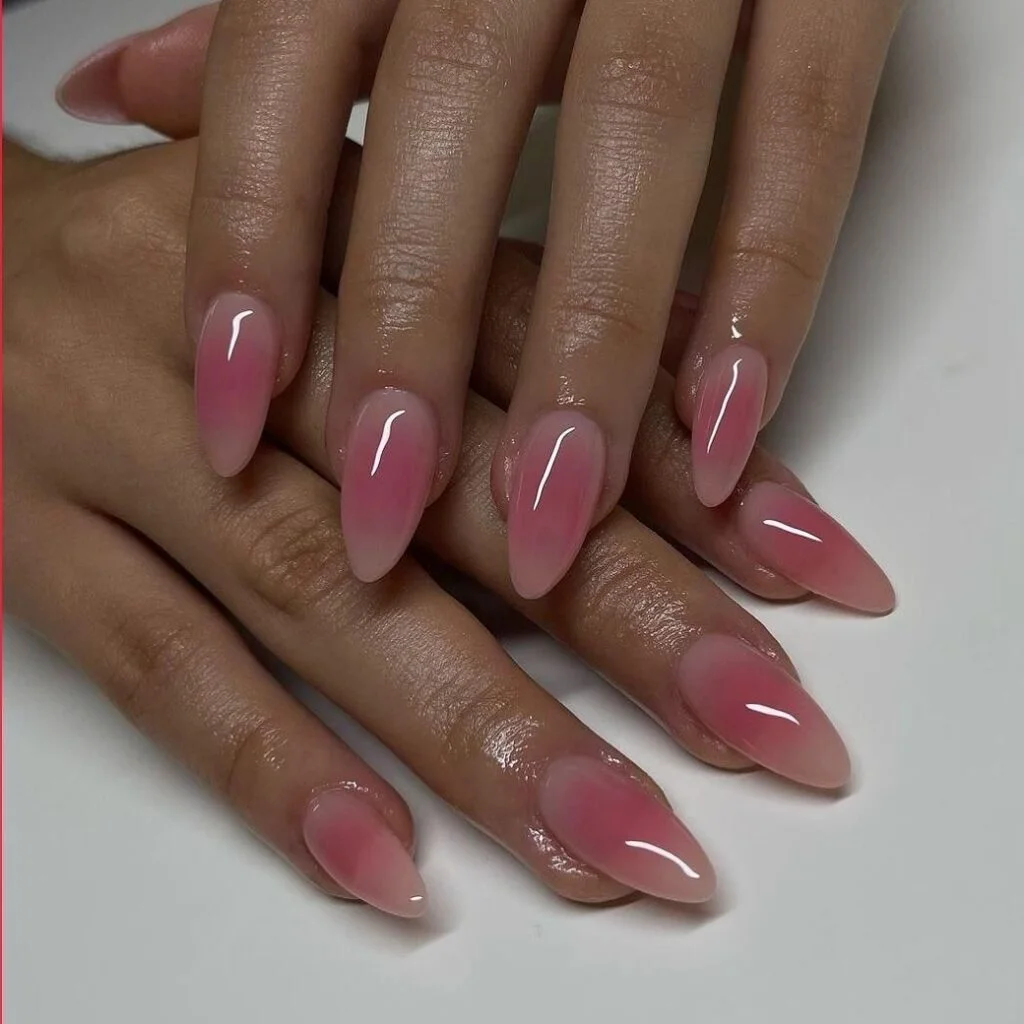
24. Pecan Nails
Pecan brings a medium caramel-brown tone that feels warm, creamy, and naturally connected to early autumn. Its balanced depth gives more seasonal character than beige while staying lighter than many classic fall browns. Pecan works especially well as a solid shade because its warm color provides enough interest without extra artwork. Golden-brown undertones can create a softer effect, while deeper pecan shades offer stronger contrast as cooler days begin.
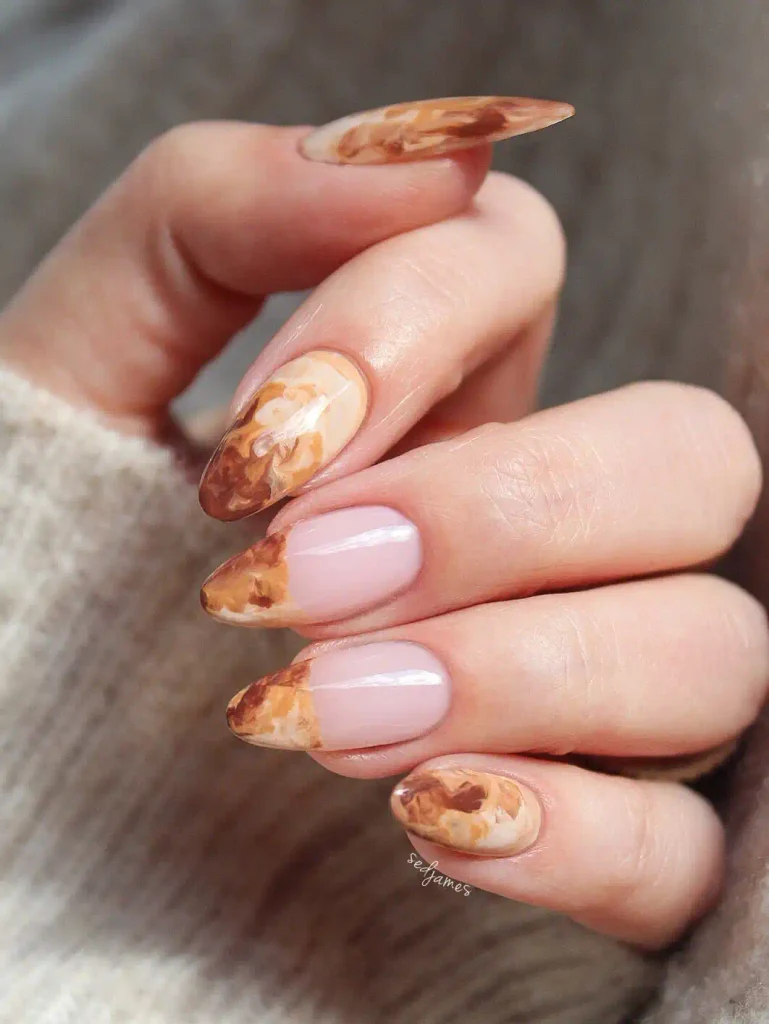
25. Muted Berry Nails
Muted berry offers a softened red-purple direction for anyone who wants more color without choosing a bright berry shade. Its restrained saturation keeps the manicure calm while preserving the richness associated with deeper seasonal colors. Berry tones can add useful variety when brown-based shades dominate your fall transition choices. Cooler versions lean toward plum, while warmer versions feel closer to red. Moderate depth keeps the manicure polished and wearable before full autumn arrives.

Conclusion
Seasonal nail changes do not need a dramatic jump from summer brightness to deep autumn color. Pre-autumn manicures can use gentle browns, softened berries, warm neutrals, and earthy greens to make the shift feel natural. Early autumn nail colors also give you room to adjust gradually as cooler weather settles in. Transitional fall manicures work best when the shade matches the mood you want, whether that means subtle warmth, richer contrast, or a quiet neutral finish.